Redbridge Waste Rules Every Snaresbrook Mover Must Know
Posted on 29/07/2026

If you are moving in Snaresbrook, waste is one of those things that seems simple right up until it suddenly isn't. A pile of old boxes, a broken wardrobe, a freezer you do not want to drag to the next address, and a deadline that is already tight. That is exactly why understanding the Redbridge Waste Rules Every Snaresbrook Mover Must Know matters before moving day arrives.
Handled well, waste clearance keeps your move organised, your new home cleaner, and your old property easier to hand over. Handled badly, it can lead to missed collections, clutter in communal hallways, parking stress, or extra costs. The good news? Once you know the local basics, it becomes much easier to plan sensibly and avoid the usual moving-day chaos. Let's break it down in plain English.
Why Redbridge Waste Rules Every Snaresbrook Mover Must Know Matters
Moving house is already a logistical puzzle. Waste rules add a second layer: what can go out, when it can go out, where it can be left, and who is allowed to move it. In a place like Snaresbrook, where flats, terraces, shared entrances, and tight roadside access are all part of the picture, that matters more than people expect.
The biggest issue is timing. A move rarely happens at the perfect moment for collections. You may find yourself with unwanted furniture, food waste, packaging, old household items, and the odd item that should not simply be dumped with general rubbish. If you leave things until the last minute, the result is usually stress. And a slightly embarrassing hallway, to be fair.
It also matters because moving waste is not just about tidiness. It can affect access for the removal team, your deposit return, neighbour relations, and whether your old place is ready for inspection or handover. In practical terms, knowing the rules helps you decide what to recycle, what to donate, what to sell, and what needs specialist disposal.
Expert summary: The cleanest move is usually the one where waste is sorted early, bulky items are dealt with in advance, and nothing is left to chance on the final evening. That simple habit saves more time than most people realise.
If you are already planning the packing side, it helps to think of waste as part of the same workflow. The same disciplined approach you might use in crucial packing insights for a successful house move applies here too: sort, label, separate, and keep the exit route clear.
How Redbridge Waste Rules Every Snaresbrook Mover Must Know Works
At a simple level, Redbridge waste management for movers comes down to four questions:
- What type of waste do you have?
- Can it go in normal household waste or recycling?
- Do you need a special collection or drop-off option?
- How will you move it without blocking access or breaking local rules?
The tricky part is that not all waste is treated the same. Cardboard and packaging are usually easier to handle than bulky furniture or white goods. Some items may be reusable, some recyclable, and some need more careful disposal. In a move, those differences become very obvious very fast.
Most Snaresbrook movers face the same pattern: empty rooms, lots of packaging, a few broken bits, and at least one awkward item that no one wants to deal with. A mattress, perhaps. Or a fridge. Maybe a piano if life has been particularly dramatic. The answer is not to push everything into one bin and hope for the best. That rarely ends well.
A smarter route is to divide waste into categories before moving day. Keep recyclables separate, identify items that can be reused, and set aside anything oversized or awkward. If you are unsure how to deal with heavier pieces, it can help to read practical advice like handling heavy loads solo and the related guide on kinetic lifting mechanics. It sounds technical, but the real point is simple: don't injure yourself trying to save twenty minutes.
For a lot of movers, the workflow looks something like this:
- Walk through every room and mark unwanted items.
- Separate donation, recycling, and true waste.
- Break down flat-pack furniture where possible.
- Book any bulky waste solution early.
- Use the final day only for the remaining small items.
That process feels almost boring when written down. In real life, it is what keeps the move under control.
Key Benefits and Practical Advantages
Following the right waste process does more than keep you compliant. It makes the entire move calmer and usually cheaper overall. Here are the advantages that matter most.
- Less last-minute pressure: You are not trying to dispose of everything on the morning of the move.
- Cleaner handover: An empty, tidy property is easier to leave behind in good condition.
- Better use of space: Your removal van is reserved for belongings you actually want to keep.
- Lower risk of damage: Fewer loose items means less clutter and fewer accidents in corridors or doorways.
- Improved recycling: Good sorting means more of your waste can be handled responsibly.
There is also a mental benefit. A decluttered move feels lighter. Once you have reduced what is leaving with you, the boxes become easier to manage and the whole process suddenly looks more achievable. If you want a structured way to get there, the article on decluttering strategies for a hassle-free move is a useful companion read.
And yes, it really can change the mood of the move. You notice it in the quieter mornings, the fewer arguments about "should we keep this?", and the lack of mystery bags appearing by the door at 10 pm.
Who This Is For and When It Makes Sense
This guidance is relevant to almost anyone moving in Snaresbrook, but some people benefit more than others.
- Flat movers: Communal bins, stairwells, and lift access can make bulky waste awkward.
- House movers: Larger homes often generate more furniture, garden waste, and old storage items.
- Students: End-of-tenancy waste tends to be time-sensitive and often more packaging-heavy.
- Families: Household moves usually uncover a lot of "we'll sort that later" clutter.
- Office movers: Desk units, filing, and obsolete equipment need careful disposal planning.
It also makes sense if you are using a tight moving schedule. Same-day moves, key collection delays, or short notice tenancy handovers leave very little room for waste mistakes. If that sounds familiar, the overview on urgent Snaresbrook same-day removals is helpful for understanding the pace involved.
People often ask, "Can't I just leave the old stuff for the council or the next occupant?" Honestly, no. That tends to create hassle for everyone involved, and sometimes extra costs too. Better to take control early.
Step-by-Step Guidance
Here is a practical move-day waste plan that works well for most Snaresbrook households.
- Start with a room-by-room audit. Go through the kitchen, loft, cupboards, shed, and under-bed storage. Those hidden spots always produce surprises.
- Sort into four piles. Keep, recycle, donate/sell, and dispose. Do not combine them. It makes the whole process muddy later.
- Identify bulky items early. Wardrobes, sofas, mattresses, and appliances need extra thought, especially if you live in a flat or tight street.
- Flatten packaging. Cardboard boxes, tape, and wrapping take up less room when broken down properly. A few minutes here helps a lot.
- Check what needs special handling. Fridges, freezers, old paint, batteries, and other awkward items should not be treated like normal rubbish.
- Protect shared areas. Keep corridors and entrances clear. In apartments, that matters more than people like to admit.
- Leave final waste collection until the last sensible moment. Don't create an extra pile too early and then live with it for a week.
- Do a final sweep before the van arrives. Cupboards, garden corners, airing cupboards, the lot. It is always the last cupboard.
For fragile or awkward household items that are being stored rather than binned, a little extra planning helps. For example, if you are not taking the freezer with you immediately, read keeping your freezer in prime condition when not used so it stays in a usable state. Likewise, if you are not moving the sofa straight away, the advice in make your sofa last with expert storage techniques is worth a look.
For bedding and soft furnishings, a clean pack matters as much as disposal. The guide on moving your bed and mattress is particularly useful if you are deciding what stays and what goes. Small detail, big difference.
Expert Tips for Better Results
These are the little things that tend to separate a smooth move from a messy one.
- Use one "decision zone": Set aside a table, corner, or empty room for items that need a final call. Keeps the rest of the home calmer.
- Do a waste pass before packing pass: It is easier to pack less than to transport clutter twice.
- Schedule bulky waste before your key date: Leaving large items to the end is where people get caught out.
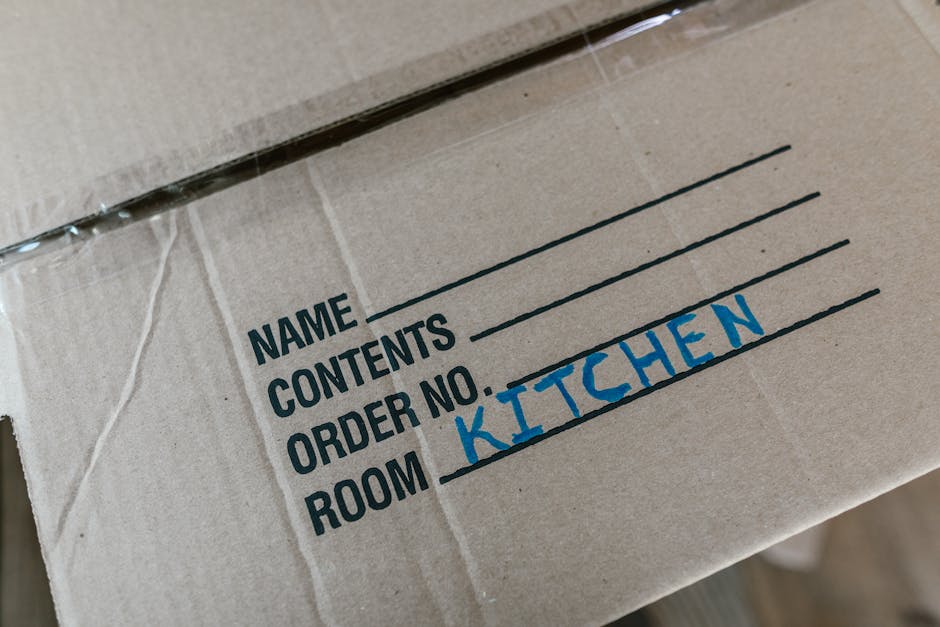
- Label items clearly: "Recycle", "donate", "dispose", or "keep" stops confusion later, especially when multiple people are helping.
- Protect the lift and stairwell: A scratched wall or blocked landing can become a very unpleasant conversation.
One practical habit we often recommend is pairing each packing session with a waste session. Pack one room, remove one bag of waste, then move on. It sounds minor, but it stops the whole place from becoming a half-packed jungle by Thursday afternoon. And yes, that happens more often than people admit.
If you are handling office items or sensitive equipment, the basic principle is the same: separate, review, then move. A cleaner process is described in crucial packing insights for a successful house move and the broader house-moving advice in stress-free moving insights.
Common Mistakes to Avoid
Most waste problems during a move come from a short list of avoidable mistakes. The good news? They are all fixable if you spot them early.
- Leaving sorting until move day: By then, everything feels urgent and nothing gets handled properly.
- Overfilling general waste bags: Heavy bags are awkward to carry and more likely to split.
- Mixing recyclables with general rubbish: Once mixed, everything gets harder to manage.
- Blocking hallways with bulky items: This causes access problems and creates unnecessary risk.
- Assuming every item can go out the same way: White goods, electronics, and furniture usually need separate thought.
- Ignoring parking and loading needs: If the van cannot stop safely, the whole waste plan gets messier.
That last point is a big one in Snaresbrook. Streets can feel tight, and loading access is not always forgiving. If you are unsure how that affects collection or removal work, take a look at Snaresbrook loading rules and Redbridge parking fines. It is the sort of thing people only care about after they have been stuck waiting with a mattress on the kerb. Not ideal.
Another classic error is letting "temporary" waste live in the hallway for days. It starts with one box and ends with a little landfill of regret. Best to avoid that entirely.
Tools, Resources and Recommendations
You do not need a truckload of equipment to manage move-related waste well. A few simple tools make the job easier.
- Heavy-duty bin bags: Useful for soft waste, cleaning materials, and broken-down small items.
- Marker pens and labels: Essential for sorting boxes and waste categories clearly.
- Box cutters or scissors: Helps flatten cardboard and reduce bulk safely.
- Gloves: A small thing, but very helpful when handling dusty loft items or old storage materials.
- Furniture covers or blankets: Useful if items are being moved to storage rather than disposed of.
For sustainability-minded movers, it is worth combining disposal with reuse wherever possible. The page on recycling and sustainability is a good match for that mindset, especially if you want to reduce waste rather than simply remove it.
If you have large or specialist items, the right service choice matters too. In some cases, a straightforward man with a van in Snaresbrook is enough. In others, you may need a more structured removals solution, particularly if bulky waste and furniture are moving together. The broader services overview can help you compare the options calmly.
One more useful note: if you are moving precious or awkward items, do not wrap them in the same rushed way as general rubbish. The advice around moving antiques in Snaresbrook is a good reminder that handling value items carefully is about planning, not brute force.
Law, Compliance, Standards, or Best Practice
Waste handling in Redbridge is not something to treat casually. While everyday household waste is straightforward in many cases, you still need to stay within local collection rules, avoid fly-tipping, and make sure bulky items are disposed of through legitimate routes.
The safest approach is simple: do not leave waste where it blocks the pavement, creates a hazard, or breaches property rules. In flats and managed buildings, also check any building-specific disposal instructions. Some landlords and managing agents are strict about where rubbish may be stored, especially during move-out periods.
For movers, the real standard is usually good practice rather than some complicated formal process: separate waste properly, keep communal areas clear, protect shared access, and dispose of difficult items responsibly. That is especially relevant if you are balancing waste removal with other move requirements like permits or loading arrangements. The article on Redbridge council permits for Snaresbrook removals is useful here because parking and access can affect waste handling more than people expect.
If you are unsure about an item, it is better to pause and check than to guess. That is the sensible, boring answer. But boring is good when it keeps you out of trouble.
Options, Methods, or Comparison Table
Different waste solutions suit different moves. Here is a quick comparison to help you choose the right one.
| Method | Best for | Pros | Watch-outs |
|---|---|---|---|
| Household sorting and council collection | General waste, recycling, smaller move leftovers | Simple, low effort, good for routine items | Not ideal for bulky or time-sensitive disposal |
| Bulky waste clearance | Sofas, wardrobes, white goods, mattresses | Handles awkward items without clogging the move | Needs planning and may depend on access and timing |
| Donation or resale | Usable furniture and household goods | Reduces waste and can offset moving costs | Requires time, condition checks, and coordination |
| Removal team support | Mixed moves with furniture and waste together | Efficient, less lifting, fewer access problems | Needs clear instructions so rubbish is separated properly |
In a lot of Snaresbrook moves, the best answer is not one method but a blend. For example, recycling cardboard yourself, donating usable items, and arranging help for one or two bulky pieces. That mix keeps costs sensible and avoids overcomplicating the job.
If your move involves both storage and disposal, it can be useful to review storage in Snaresbrook alongside the disposal plan. Sometimes the item you nearly threw away is actually worth storing for a month. Happens all the time.
Case Study or Real-World Example
Consider a fairly typical Snaresbrook flat move. The occupants have two bedrooms, a small kitchen, a sofa that has seen better days, a fridge, several bags of mixed rubbish, and a mountain of cardboard from recent online orders. Nothing dramatic, just a normal family-scale move.
At first, the plan is to deal with everything on moving day. Then reality arrives: the corridor is narrow, the van is waiting, and the old fridge is not going to magically disappear. Instead of pushing ahead blindly, the household separates the waste the week before. Cardboard is flattened, reusable household goods are given away, and the bulky items are earmarked for a dedicated clearance solution.
The result is surprisingly calm. The removal team has clearer access, the van carries only useful items, and the handover at the old property is cleaner. Nobody is dragging a torn bin bag down the stairs at 8:45 pm. Honestly, that alone is worth the planning.
That kind of outcome is very common when people combine sorting with a proper moving checklist. The most successful moves are rarely the fanciest ones. They are just the ones with fewer loose ends.
Practical Checklist
Use this checklist in the final days before your move.
- Walk through every room and mark unwanted items.
- Separate recycle, donate, sell, keep, and dispose piles.
- Flatten cardboard and remove tape where practical.
- Identify bulky items that need special handling.
- Check whether any items need careful disposal or separate treatment.
- Keep hallways, exits, and communal areas free from clutter.
- Plan how you will move waste without blocking the van or pavement.
- Keep heavy items from being lifted alone if they are awkward or unstable.
- Do a final sweep of cupboards, lofts, and hidden storage spaces.
- Leave only the waste that is genuinely unavoidable for the last stage.
When in doubt, simplify. Fewer categories, fewer piles, fewer surprises.
Get a free quote today and see how much you can save.
Conclusion
The real secret behind the Redbridge Waste Rules Every Snaresbrook Mover Must Know is not complicated. Sort early, keep access clear, treat bulky and special items separately, and do not leave disposal decisions until the final hour. That approach saves stress, avoids messy handovers, and makes the move feel much more under control.
Whether you are moving from a flat, a house, or a shared property, the same principle applies: waste management is part of the move, not an afterthought. Get that piece right and everything else tends to fall into place more easily. A bit less panic, a bit more breathing room. Nice, really.
And if moving day still feels overwhelming, that is normal. Take it one room at a time, one decision at a time, and one bag at a time. You will get there.