Moving Antiques in Snaresbrook: Risks and Solutions
Posted on 18/06/2026
Moving antiques is one of those jobs that looks simple right up until the moment a chair leg splinters, a mirror slips, or a family heirloom gets scuffed on a hallway wall. If you are planning Moving Antiques in Snaresbrook: Risks and Solutions, the stakes are higher than with everyday furniture. Age, fragility, value, awkward shapes, and sentimental meaning all sit together in one very delicate package.
That is why antique removals need more than strong arms and a van. They need planning, the right packing materials, patient handling, and a sensible route through the property. In this guide, we will break down the risks, the practical solutions, and the decisions that make the difference between a smooth move and a very expensive regret. A lot of it is straightforward, truth be told. The trick is doing the straightforward things properly.
If you are also thinking about the wider move, it can help to read crucial packing insights for a successful house move and decluttering strategies for a hassle-free move before you start. The less clutter around the antiques, the less chance of a knock, a trip, or a rushed decision.
Why Moving Antiques in Snaresbrook: Risks and Solutions Matters
Antiques are not just old furniture. They are often one-of-a-kind, repaired several times over the years, and sometimes structurally weaker than they look. Veneer can lift. Joints can loosen. Old finishes can mark from very light friction. Even a tiny change in temperature or humidity during storage can matter. So when you move antiques in Snaresbrook, you are not just transporting an item; you are protecting history, craft, and value.
Snaresbrook homes bring their own practical challenges too. Narrow staircases, shared entrances, tight kerbs, permit-sensitive parking, and a bit of everyday London hurry can all turn a careful move into a rushed one if you do not plan ahead. This is where the risks and solutions side of the equation becomes essential.
The main reason this matters is simple: damage to antiques is often irreversible or very costly to restore. A modern table can be replaced. A Georgian sideboard with original detailing cannot, at least not in the same way. That is why a thoughtful move is worth the extra effort.
There is also a trust factor. If you are moving a family piece, an inherited cabinet, or something that has been in the house for decades, people usually want reassurance that it will arrive intact. And fair enough. Sentimental value is not something a quick quote can measure.
How Moving Antiques in Snaresbrook: Risks and Solutions Works
A good antique move starts long before the van arrives. First, the item needs to be assessed. Is it solid wood or veneer? Is it heavy but robust, or light but highly delicate? Does it have detachable legs, glass panels, loose shelves, or decorative parts that can catch during lifting? Once you know what you are dealing with, the packing and loading plan becomes far clearer.
Most problems happen in three places: the property, the vehicle, and the handover. In the property, the risk is walls, steps, corners, and rushed lifting. In the vehicle, the risk is movement, vibration, and poor stacking. At delivery, the risk is removing wrapping too early, placing the item on uneven flooring, or carrying it through an awkward doorway without enough space.
The solution is a controlled process. That usually means:
- pre-move inspection and measurements
- careful dusting and preparation before wrapping
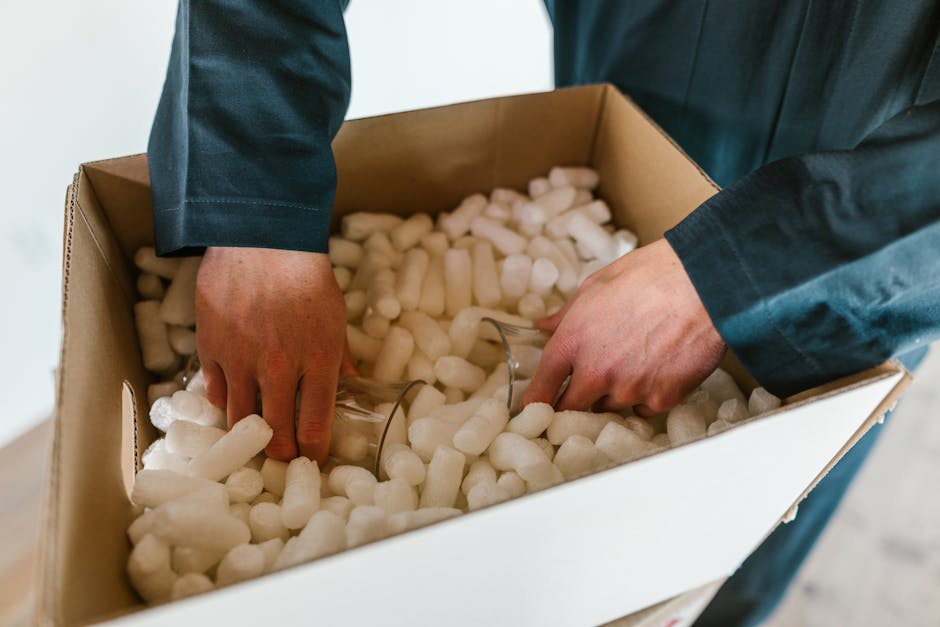
- custom or layered protection using acid-free paper, blankets, foam, and corner guards where needed
- secure loading so the item does not slide or lean
- gentle unloading with enough people for the weight and shape involved
If the item is unusually heavy or awkward, the approach changes again. You may need specialist lifting techniques, more than one person, or even a dedicated service rather than a general man-and-van job. For a sense of how careful handling changes the outcome, it is worth seeing how kinetic lifting mechanics work and guidance on handling heavy loads solo. Those articles explain why body position, balance, and load control matter so much.
Key Benefits and Practical Advantages
When antique moves are handled properly, the benefits are more than just avoiding damage. You get a calmer process, better time management, and a far lower chance of emergency repairs after the fact.
Here are the biggest practical advantages:
- Lower risk of breakage: Proper wrapping and handling reduce the chance of chips, cracks, scratches, and loosened joints.
- Better preservation of finishes: Old varnish, polish, and fabric details are protected from friction and moisture.
- Reduced physical strain: Antique furniture can be heavier or more awkward than expected, and strain injuries are no joke.
- Less stress on moving day: Once the plan is set, everything feels more manageable. You will notice that immediately.
- Improved insurance confidence: A documented, careful process makes it easier to understand what was done and when.
There is also an emotional benefit that people often overlook. When an item has been in the family for years, people feel much better knowing it was handled methodically rather than shoved into a van next to a lamp and a laundry basket. It sounds obvious, but on move day, obvious things get forgotten very quickly.
For readers who want to compare moving support more broadly, services overview is a useful place to understand what kinds of moving help are available, while insurance and safety is worth reviewing before anything valuable is lifted.
Who This Is For and When It Makes Sense
Antique moving is not only for collectors or large estates. It matters any time the item is valuable, fragile, awkward, or irreplaceable. If you are wondering whether you need specialist help, ask yourself one question: would I be happy to replace this item if something went wrong? If the answer is no, you probably need a more careful plan.
This approach makes sense for:
- families moving inherited furniture
- collectors moving decorative objects, cabinets, clocks, or sideboards
- people moving antique furniture between flats, houses, or storage
- landlords or homeowners clearing a property with older pieces worth preserving
- anyone handling items with glass, inlay, carving, or delicate joins
It is also a smart idea if the move involves stairs, tight doorframes, or awkward access. Snaresbrook properties can be lovely, but they are not always generous in the practical sense. One narrow turn can be enough to justify extra preparation. A small cabinet may still be tricky, while a larger wardrobe can become a real puzzle.
If your move is part of a broader house move, you may find it useful to read stress-free house move insights and the Snaresbrook Road moving guide for local planning context.
Step-by-Step Guidance
Here is a sensible process for moving antiques without cutting corners. It is not glamorous, but it works.
- Inspect the item properly. Look for loose feet, cracked veneer, wobbly joints, lifted edges, missing screws, or brittle finishes.
- Measure everything. Measure the item, the doors, the hallways, stair turns, and the vehicle access. People skip this and then spend ten stressful minutes trying to pivot a cupboard through a hallway that clearly was not built for it.
- Clear the path. Remove mats, picture frames, loose shoes, and anything that can snag a blanket or trip a mover.
- Prepare the item. Dust it gently first. Wrap brittle or glossy surfaces with appropriate protection before using blankets.
- Disassemble where safe. Remove shelves, detachable legs, and loose glass only if this can be done without damage. Bag screws and label them clearly.
- Use the right wrapping method. Soft first, then stronger outer layers. Avoid anything that can leave residue or rub the finish.
- Lift with a plan. One person leads, one steadies, and nobody rushes the corners.
- Load with stability in mind. Keep the piece upright where required, stop it from shifting, and avoid placing pressure on decorative edges.
- Unload carefully. Re-check the route into the new property before bringing the item through.
- Inspect again on arrival. Unwrap slowly. Check for movement damage before the van is cleared and everyone disappears to make tea.
That final inspection sounds minor, but it is not. Catching a problem immediately makes it much easier to understand whether it happened in transit or during placement. Small detail, big difference.
Expert Tips for Better Results
There are a few practical habits that consistently make antique moves safer. They are not complicated, just easy to miss when the day gets busy.
- Never assume the item is stronger than it looks. Some antiques feel solid until you touch a joint that has been repaired twice already.
- Use gloves when needed, but not bulky ones that reduce grip. Grip matters more than looking professional for the sake of it.
- Keep antique pieces away from wet weather as much as possible. A damp blanket or wet pavement can be enough to mark wood or fabric.
- Separate metal fittings and glass parts. Wrap them individually and label them.
- Do not overstack the vehicle. Weight on top of an antique item can do hidden damage before you even notice.
- Take photos before the move. This is useful for your own records and any later discussion about condition.
One of the best habits is also very boring: keep the move calm. Calm is a tool. When people panic, they grip too hard, move too fast, and forget the fragile part of fragile furniture. A minute spent adjusting the route is worth far more than ten minutes spent repairing a chip.
For wider packing support, cleaning and preparation tips for a smoother move and packing and boxes in Snaresbrook can help you organise the rest of the move around your antique items.
Common Mistakes to Avoid
Most antique damage comes from a handful of very predictable mistakes. The annoying part is that they are usually avoidable.
- Using the wrong wrapping materials: Newspaper can transfer ink, and rough blankets can mark delicate finishes.
- Skipping measurement: If it barely fits, it does not really fit. That is the honest version.
- Trying to carry too much at once: One awkward turn is all it takes for a cabinet corner to kiss a wall. Not ideal.
- Leaving drawers or doors unsecured: Movement inside the item can cause more damage than the exterior impact.
- Ignoring the condition of the floor: Uneven paving, loose rugs, and polished flooring all change the risk profile.
- Assuming a standard move is enough: General removals can be excellent, but antiques often need a more tailored approach.
Another quiet mistake is not planning the storage side properly. If the antiques cannot go directly to their new room, the storage environment matters. Damp, temperature swings, and cramped stacking can all create issues. If that applies to you, read storage options in Snaresbrook and, for item care ideas, storage techniques that help furniture last longer. The sofa article is about sofas, yes, but the broader storage principles carry over nicely.
Tools, Resources and Recommendations
You do not need a warehouse of specialist equipment to move antiques well. But you do need the right basics. Think protection, control, and visibility.
| Tool or resource | What it helps with | Why it matters |
|---|---|---|
| Furniture blankets | Surface protection during transit | Reduces scratches, edge knocks, and rubbing |
| Corner protection | Fragile angles and carved edges | Stops the most exposed points taking the hit |
| Straps and ties | Load stability in the van | Keeps items from sliding or tipping |
| Labels and bags for fittings | Disassembly and reassembly | Saves time and prevents lost screws |
| Measurement tape | Access checks and planning | Helps avoid last-minute surprises |
| Photo records | Condition tracking | Useful before, during, and after the move |
For moves that involve heavier or more awkward pieces, dedicated handling is often the safest route. You can compare the broader service landscape through removal services in Snaresbrook or review furniture removals in Snaresbrook if your antiques are part of a bigger furniture move.
If you are choosing between different vehicle sizes or styles of support, a removal van in Snaresbrook can be more practical than a smaller setup when you need room for padding and safe spacing around the item. Space is protection. Simple as that.
Law, Compliance, Standards, or Best Practice
For antique moving, the most relevant compliance issue is usually not a single dramatic rule but a collection of sensible duties: safe handling, property care, clear communication, and appropriate insurance. In the UK, removal work is commonly expected to follow safe manual handling practices, and that is especially relevant when an item is heavy, fragile, or awkwardly balanced.
Best practice also means being honest about limitations. If a mover is not confident that an item can be safely carried through a route, they should say so. That is not a weakness; it is professionalism. A careful refusal is much better than a forced attempt and a broken cabinet.
Insurance should be discussed in plain English. You want to know what is covered, what is excluded, and what the process is if damage occurs. Read any moving terms carefully, including the fine print on claims, exclusions, packing responsibility, and declared value. If you need a more detailed look at standards and expectations, the site's health and safety policy and terms and conditions are sensible starting points.
And yes, compliance also means being practical about access and parking. In local London moves, planning the arrival and loading point can be just as important as the wrapping itself. If access is tight near your property, parking and access advice for moves near Snaresbrook Crown Court is a helpful read.
Options, Methods, or Comparison Table
There is no single right way to move antiques. The best option depends on value, fragility, distance, and access. Here is a simple comparison.
| Method | Best for | Pros | Limitations |
|---|---|---|---|
| DIY with friends | Small, sturdy, low-value items | Lower upfront cost | Higher risk if people lack lifting experience |
| Man and van support | Moderate items with good access | Flexible and often practical for short local moves | May not suit very fragile or oversized antiques |
| Specialist antique handling | Valuable, delicate, or unusual pieces | More tailored protection and handling | Usually more expensive and may require more lead time |
| Short-term storage first | Moves with a gap between properties | Creates flexibility | Storage conditions must be suitable |
For most people, the decision comes down to this: if the item is easily replaced, you have more flexibility. If it is not, invest in the method that gives the most control, even if it feels a bit more expensive on day one.
Case Study or Real-World Example
Here is a realistic example from the sort of move people often face in Snaresbrook. A homeowner needed to move a heavy antique dresser from a first-floor bedroom to a nearby property a short distance away. The piece looked sturdy, but the drawer runners were loose, the veneer had hairline lifting, and the stair turn at the old property was tight enough that one wrong angle would have scraped the wall.
The solution was not dramatic, just careful. The drawers were removed and packed separately. The dresser was wrapped in soft layers first, then protected with moving blankets. Two people handled the lift, with one steadying the top and one controlling the base. The route was cleared in advance, and the van space was left open so the piece could sit away from other items rather than being squeezed in.
Nothing flashy happened. Which, frankly, is exactly what you want. The dresser arrived without scratches, the reassembly was simple, and the owner could breathe again. A quiet move is a good move.
That same approach also works for antiques within a larger home move. If you are moving a mix of valuable and ordinary items, it helps to plan the special pieces separately rather than letting them disappear into the general packing pile.
Practical Checklist
Use this checklist before moving day. It keeps things grounded when everything else starts moving fast.
- Identify which items count as antiques or fragile heirlooms
- Photograph the condition of each item before packing
- Measure items, doorways, stairwells, and the route to the vehicle
- Check whether anything can be safely detached or removed
- Gather proper wrapping materials and labels
- Clear paths inside both properties
- Plan parking and loading access in advance
- Confirm who will lift, steady, and guide each item
- Make sure the van has enough space for protected loading
- Review insurance, responsibility, and any special handling instructions
- Unpack and inspect antiques first at the destination
Expert summary: the safest antique move is usually the one that is slow, measured, and a little overprepared. That does not make it inefficient. It makes it smart.
If you are still mapping out the broader move, man with a van in Snaresbrook, man and van in Snaresbrook, and removals in Snaresbrook can help you understand the wider support available. If the move has a tight deadline, what to expect from urgent same-day removals is worth a look too.
Conclusion
Moving antiques in Snaresbrook is not about luck. It is about recognising the real risks, then putting simple solutions in place before anything gets lifted. Measure properly. Wrap carefully. Load with control. Unload with patience. Those are the habits that protect value and reduce stress.
And if the item is especially valuable, unusually heavy, or simply too awkward for a standard move, there is no shame in stepping back and choosing a better option. In fact, that is usually the wisest move of all. The goal is not to prove you can do everything yourself. The goal is to get the antique safely to the next chapter.
Get a free quote today and see how much you can save.
For readers comparing costs, the page on pricing and quotes may help you understand how moving requirements can shape the final figure. A thoughtful move is often the cheaper one in the long run.
Take your time, trust the process, and give the piece the respect it deserves. Some objects are more than furniture, and that matters.