Redbridge Council Permits for Snaresbrook Removals
Posted on 26/06/2026
If you are moving in or out of Snaresbrook, parking is often the part that turns a calm moving day into a small headache. Street space can be tight, access can be awkward, and one badly parked van can slow everything down. That is why understanding Redbridge Council Permits for Snaresbrook Removals matters more than many people expect. A permit, suspension, or parking arrangement can make the difference between a tidy, efficient move and a morning spent circling the block, checking mirrors and muttering under your breath.
This guide explains what council parking permissions usually mean in practice, when they matter, how to plan ahead, and how to avoid the common mistakes that catch people out. You will also find practical checklists, a comparison table, and a real-world style example so you can move with less stress and a lot more confidence.
Why Redbridge Council Permits for Snaresbrook Removals Matters
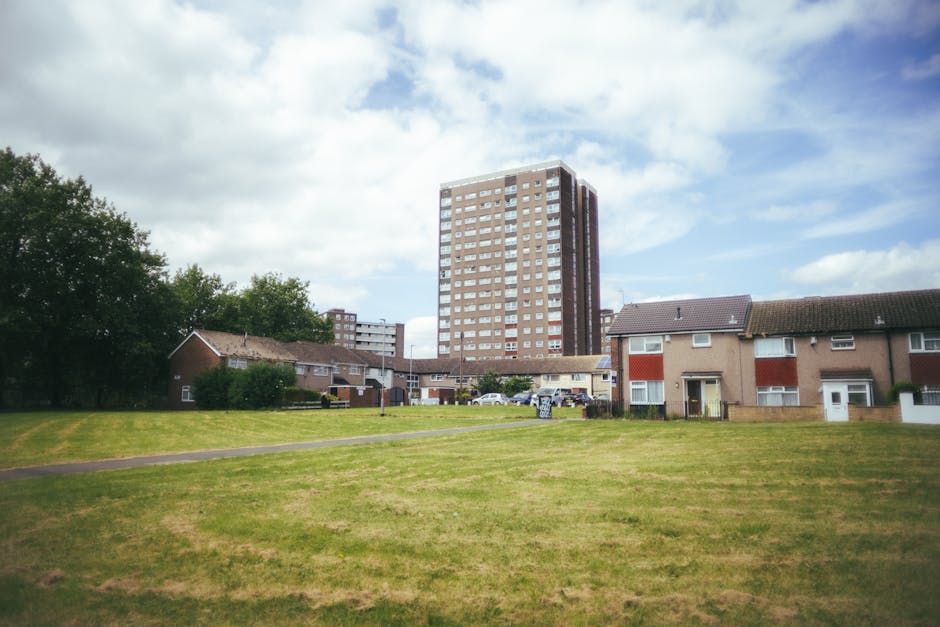
In a place like Snaresbrook, the practical side of moving is often shaped by the street itself. Some roads feel roomy; others do not. Add terraces, flats, school runs, local traffic, and the usual London squeeze, and suddenly a removal van needs more than just a destination. It needs a plan for where it can stop, load, and leave safely.
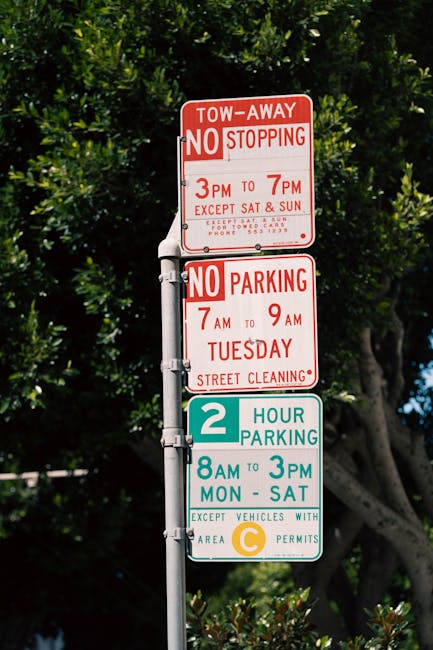
Redbridge Council parking permissions matter because a removal vehicle may need access to a bay, a suspended space, or a controlled stretch of road. If that space is already taken, your crew may have to carry furniture further than expected or wait for access to clear. That slows the move, adds strain, and can affect the final cost. To be fair, it is one of those things people only notice once the sofa is halfway down the stairs.
There is also a trust factor here. A well-organised move feels calmer because the parking side has been thought through. That helps with timing, protects neighbours from disruption, and reduces the chance of avoidable delays. If your move includes bulky furniture, a piano, or a tight staircase, having clear vehicle access becomes even more valuable. For those bigger jobs, it can be useful to read practical moving advice on packing for a successful house move and handling heavy loads safely.
How Redbridge Council Permits for Snaresbrook Removals Works
The exact process can vary depending on the road, the type of parking restriction, and the timing of your move. In broad terms, the council permission you need is there to make sure the removal vehicle can legally and safely occupy a space or part of the carriageway for the time required.
Here is the practical version: if your van can legally park without causing an obstruction, you may not need a special arrangement. If it cannot, you may need advance permission. That might mean applying for a suspension, requesting temporary parking arrangements, or making sure the vehicle fits within the normal parking rules for the street. Not every move needs a formal council application, and that is an important distinction. A lot of people assume they must have one for every move, which is not always true.
Most of the work is about timing and accuracy. You need the correct date, a realistic duration, the vehicle size, and the exact location. Get those wrong and you can end up with an approval that does not quite match the move. And once the van is loaded, no one wants to discover the plan was built on guesswork.
In many cases, a removal company will help assess whether a permit or parking control is actually needed. If you are comparing providers, it helps to understand the difference between a man and van in Snaresbrook, a larger removal van, and a full house removals service, because vehicle choice can affect where it can park and how easily it can manoeuvre.
Key Benefits and Practical Advantages
Getting the parking side right does more than keep the move legal. It helps the whole day feel more controlled.
- Less walking distance: Furniture and boxes can be loaded closer to the property, which saves time and effort.
- Lower risk of damage: Fewer long carries mean less chance of knocking walls, scraping frames, or dropping awkward items.
- Better timekeeping: The team can work to a realistic schedule rather than guessing how long access will take.
- Reduced neighbour friction: A thoughtful arrangement is usually less disruptive than a van blocking the road at random.
- More accurate quotes: When access is clear, estimates are often more reliable. You can see why in articles about why removal quotes vary.
There is a quieter benefit too: less mental clutter. Anyone who has moved knows the feeling. The kettle is packed, the broadband is gone, and you are suddenly trying to decide whether the wardrobe should have been dismantled yesterday. A tidy parking plan removes one problem from that pile.
Who This Is For and When It Makes Sense
Permit planning is most useful when your property sits on a road with limited stopping space, controlled parking, or high daytime traffic. In Snaresbrook, that often means flats, terraced streets, and homes where the nearest place to stop is not immediately outside the front door.
You are more likely to need to think about Redbridge Council permissions if:
- your removal van will need to park in a restricted bay or controlled zone;
- your move is on a busy day or at a peak traffic time;
- you live in a flat, upper-floor apartment, or maisonette;
- your street has narrow access or limited turning space;
- you are moving a piano, antiques, or other bulky items that need the van as close as possible.
This also matters if you are arranging a same-day move. In urgent situations, parking is often the first thing to get messy because people focus on the packing and forget the kerbside logistics. If that sounds familiar, this overview of urgent same-day removals in Snaresbrook is worth a look.
Truth be told, permit planning is not glamorous. Nobody frames it. But it can save a surprising amount of frustration.
Step-by-Step Guidance
Here is a practical way to handle the parking and permit side without overcomplicating it.
- Check the street first. Look at the parking bays, double yellow lines, loading restrictions, and whether the van can fit without blocking access.
- Measure the practical load. Think about the van size, the number of trips, and whether there are stairs, lifts, or long carries involved.
- Decide if a permit or suspension is needed. If the van must use restricted space or a bay that is likely to be occupied, plan for permission in advance.
- Confirm the move date and time. Councils and parking arrangements are time-sensitive. Last-minute changes can cause avoidable trouble.
- Coordinate with the removal crew. Tell them the access limits, gate codes, entry points, and where the vehicle should stop.
- Prepare the property front and rear. Clear pathways, move bins if possible, and make sure doors can open fully.
- Keep proof and reference details handy. If a parking arrangement has been approved, keep the confirmation accessible on move day.
If you are also sorting packing, do not leave it all until the night before. A calmer home move is easier when the boxes are labelled properly and the essentials are kept aside. A helpful companion read is stress-free house move planning, especially if you are trying to juggle multiple moving parts.
Small detail, big effect.
Expert Tips for Better Results
After enough moves, a few patterns become obvious. The jobs that go smoothly usually share the same habits.
- Book early whenever possible. If you are moving at month-end or on a weekend, parking space can be at a premium.
- Choose the right van size. An oversized vehicle can create unnecessary parking pressure, while an undersized one can mean extra trips. Neither is ideal.
- Prioritise access over convenience. A slightly longer walk from a legal space is usually better than forcing the van into a tight, awkward spot.
- Protect fragile or bulky items before loading begins. If the parking setup is not perfect, the less you need to carry back and forth, the better.
- Think about the neighbours. A quick heads-up, where appropriate, can reduce complaints and make the day feel less tense.
For heavy furniture, the route from front door to van matters almost as much as the van itself. That is why it helps to understand safe lifting and movement techniques. The articles on lifting mechanics and moving your own piano are useful if your move includes awkward loads.
And yes, some jobs really do benefit from a second pair of hands. Or a third. Moving a mattress down a narrow stairwell while trying not to knock the wall? That is exactly the sort of moment when a proper plan feels like a blessing.

Common Mistakes to Avoid
The most expensive mistakes are not always the dramatic ones. Often they are small oversights that snowball.
- Leaving parking planning until the day before. This is probably the biggest one. Access problems rarely solve themselves overnight.
- Assuming the van can "just stop" outside. In many streets, that is not realistic, and sometimes not lawful.
- Forgetting the vehicle dimensions. A space that works for a car may not work for a removal van.
- Ignoring loading time. A quick drop-off is different from a full household move. The length of occupation matters.
- Not telling the removals team about restrictions. If they do not know about the street layout, they cannot plan properly.
- Overpacking on the day. A last-minute rush can make parking pressure worse because loading takes longer than expected.
Another common issue is poor decluttering. If you are moving things you no longer need, you are creating extra load for no good reason. A good starting point is decluttering strategies for a hassle-free move, which can trim both the volume and the stress.
Honestly, the easiest way to make moving day harder is to keep undecided boxes lying around until the last minute. We have all seen that one box marked "misc" that somehow becomes the most annoying box in the house.
Tools, Resources and Recommendations
You do not need complicated software to stay organised. A few simple tools usually do the job better.
- A moving timeline: A basic written plan for 2 weeks, 1 week, and moving day.
- A property access note: This should include floor level, lift access, entry codes, bay restrictions, and any awkward corners.
- A van loading list: Put the largest items on this first so you do not waste time deciding what goes in where.
- Labelling materials: Mark boxes by room and priority, not just contents.
- Local route awareness: If your move crosses busier roads or tight junctions, factor in extra time.
For packing and storage decisions, a few related guides can help you avoid silly mistakes. See packing insights for a house move, packing and boxes support, and storage options in Snaresbrook if you need to stage items before or after the move.
If you are moving furniture that needs special handling, it is also worth checking the practical side of the service you are booking. The page on furniture removals in Snaresbrook is a good place to understand how a proper team approaches bulky items, while piano removals in Snaresbrook is relevant for high-value, awkward loads.
Law, Compliance, Standards, or Best Practice
Permit and parking matters are usually shaped by local traffic rules, controlled parking zones, and on-street regulations. The safest approach is always to assume that public space is not automatically available just because you need it. If a bay is restricted, or if stopping would cause an obstruction, that needs to be dealt with properly.
In practical terms, best practice looks like this:
- do not park where it would block pedestrians, driveways, junctions, or emergency access;
- respect all signs, markings, and time-based restrictions;
- avoid making assumptions about loading permissions;
- keep approvals and confirmation details ready if the move requires them;
- work with a removals team that understands local access conditions and safety expectations.
It is also sensible to think about insurance and safety as part of the same conversation. A move is not only about logistics; it is about reducing risk to people, property, and neighbouring homes. If you want a fuller sense of good practice, take a look at health and safety policy and insurance and safety guidance.
And one more thing: if you are moving in poor weather, give yourself extra room in the schedule. Wet steps, damp boxes, and a reversing van are not a great trio. Not ideal at all.
Options, Methods, or Comparison Table
Different moves need different approaches. Here is a simple comparison to help you decide what fits your situation.
| Approach | Best For | Pros | Watch Outs |
|---|---|---|---|
| Informal street-level parking | Quiet roads with enough space | Simple, fast, no extra admin | Only works where stopping is genuinely allowed |
| Temporary council permission or suspension | Restricted bays or tight access | More reliable access and better loading conditions | Needs planning and accurate details |
| Smaller van or man-and-van setup | Light to medium moves, flats, short carries | Flexible, often easier to place | May require more trips if the load is large |
| Larger removal van with planned access | Full house moves or bulky furniture | Efficient loading, fewer journeys | Needs more parking space and stronger planning |
There is no single "best" option for everyone. The right choice depends on the size of the move, the road layout, and how much time you have. A student moving a few boxes is in a different world from a family moving wardrobes, beds, and a fridge. For smaller jobs, student removals in Snaresbrook or man with a van support may be enough. For fuller homes, a more structured service is often easier to manage.
Case Study or Real-World Example
Imagine a couple moving from a second-floor flat near a busy stretch in Snaresbrook. They have a sofa, a bed, a dining table, several boxes, and a rather heavy mirror that sounds more delicate than it looks. At first, they think the van can simply stop outside for an hour. Easy, right?
Then they check the street and realise the obvious spot is used most mornings, and the remaining space is tight. If they leave it to chance, the crew may need to carry furniture a long way, which means more time and more risk of damage. Instead, they plan ahead, confirm the access requirements, and arrange the move at a quieter time. The result is not magical. It is just smoother. Less faffing. Fewer false starts. And nobody has to drag a mattress down the pavement while trying not to glance at the clock every thirty seconds.
That is the real value of understanding permit and parking needs. It turns an uncertain move into a manageable one. If the job includes fragile or valuable items, you may also want to read moving antiques in Snaresbrook, because delicate items and awkward access do not always mix well.
Practical Checklist
Use this before moving day. It is simple, but it catches a lot.
- Confirm your moving date and estimated arrival time.
- Check whether the street has parking restrictions or loading limits.
- Decide if a permit, suspension, or alternative parking arrangement is needed.
- Tell the removals team about vehicle access, stairs, lifts, and narrow entrances.
- Measure large furniture and confirm it will fit through doors and hallways.
- Pack essential items separately so you are not hunting for the kettle later.
- Keep confirmation details, references, or booking notes close to hand.
- Prepare the route from property to van: clear bins, loose rugs, and trip hazards.
- Let neighbours know if the move will temporarily affect the street.
- Build in extra time for traffic, loading, or access delays.
If you are still at the planning stage, a good additional read is the local Snaresbrook moving guide, which pairs nicely with parking and access planning.
Conclusion
Redbridge Council Permits for Snaresbrook Removals are not just admin in the background. They are part of what keeps a move legal, efficient, and far less stressful than it might otherwise be. When parking is handled properly, the rest of the day usually feels easier too. The crew can work faster, the route from door to van is shorter, and you are not trying to improvise under pressure.
If there is one takeaway, it is this: plan the access before the boxes are in the hallway. That single habit can save time, money, and a fair bit of nerves. And let's face it, moving day has enough drama already.
Get a free quote today and see how much you can save.
With the right preparation and a calm approach, even a tricky Snaresbrook move can feel much more manageable. A little planning goes a long way, and the difference is often felt in the first ten minutes.